Aluminum or plastic scales
A practical comparison of aluminum and polycarbonate scales for scale mail, covering weight, finish, sound, durability and cost, with a checklist for testing before you commit.
This guide has affiliate links. If you buy through them we earn a commission at no cost to you. How this works.
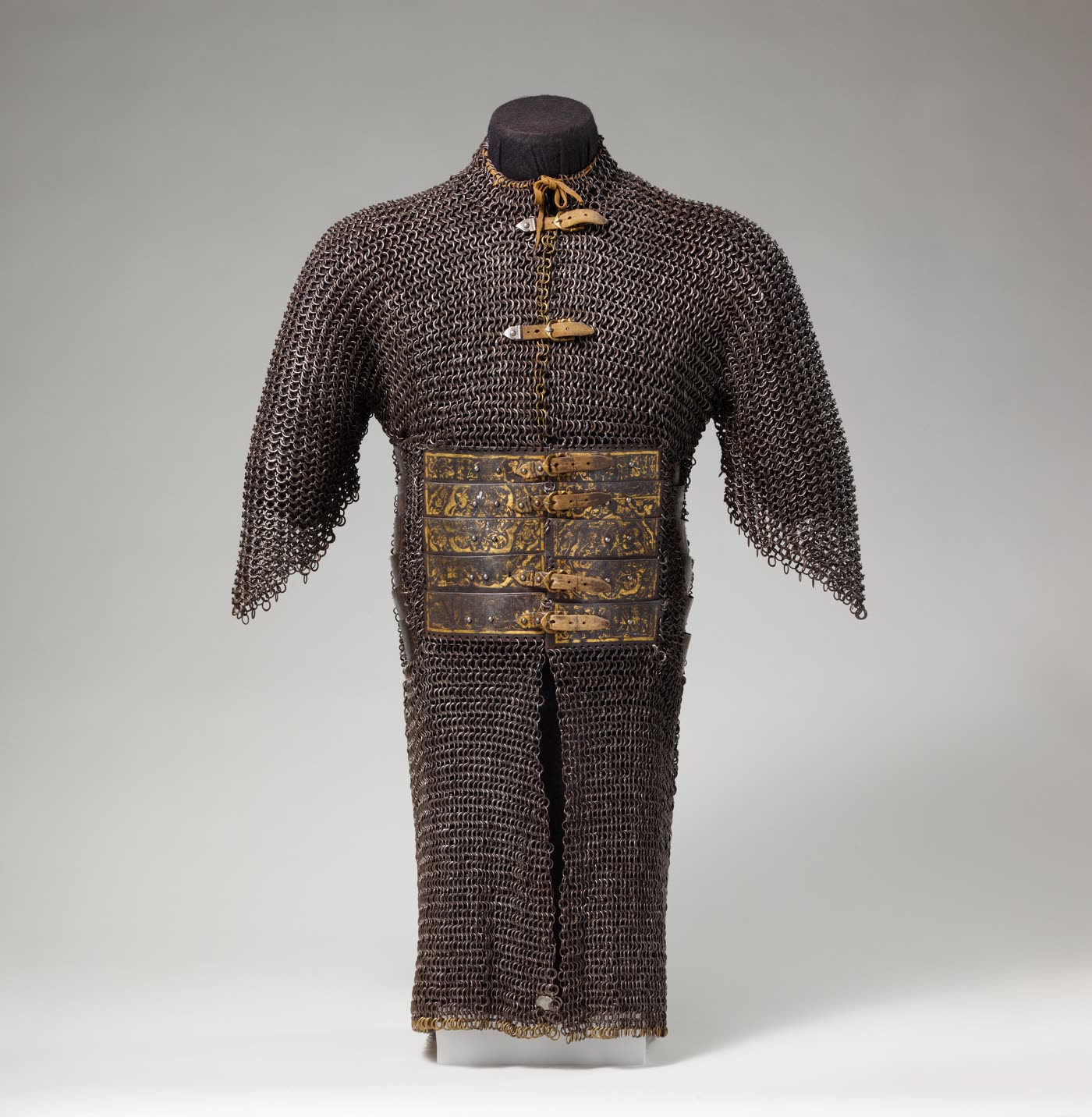
Both materials make good scale mail. They suit different projects. Aluminum looks and sounds like metal, and polycarbonate is lighter and cheaper. Choose on what the piece needs to do, and test a sample before buying enough for a large build.
The short version
| Question | Aluminum | Polycarbonate |
|---|---|---|
| Weight | Light, about 2.7 g/cm³ | Lighter, about 1.2 g/cm³ |
| Finish | Anodised colours, metallic sheen | Opaque or translucent colours, often glossy |
| Sound | Metallic chime, louder | Muted click |
| Damage | Dents, scratches, anodising can wear | Scratches, can crack under impact |
| Heat | Not affected at room temperature | Softens in hot cars and near heat |
| Feel | Cool to the touch | Warmer, plastic feel |
Aluminum is about 2.2 times the density of polycarbonate, so a panel of the same scales is noticeably lighter in plastic. For a large cape or a full torso, that difference is what makes plastic attractive.
Look and sound
Anodised aluminum has a metallic depth that plastic does not copy. The surface takes dye, so colours come out saturated, but the finish is thin and bright edges show where it has been scratched. Polycarbonate gives you colours metal cannot, including translucent and glittered ones, and does not show scratches in a contrasting colour. If sound matters, such as for stage costumes, aluminum chimes, polycarbonate does not.
Durability
Aluminum scales are tough for their weight but soft. They dent and bend, and the anodised layer can rub through at the edges. Polycarbonate is impact resistant for a plastic, but it scratches easily and is damaged by solvents, including some cleaners and perfumes. Sun can yellow some grades. If a piece will be worn outside, UV stability matters.
Cost
Plastic scales cost less per scale at most sizes, and the saving is larger on big projects. Aluminum costs more but is easier to find in a consistent size and finish.
What to test before buying
- Weight of a swatch. Make a 4 by 4 inch sample and weigh it. Multiply by the area you plan to cover.
- Drape. Hold the swatch by one corner. Does it hang and move how you want?
- Sound. Shake it. Is the noise acceptable?
- Ring fit. Check that your rings pass through the scale hole without binding. See aspect ratio.
- Colour in your light. Photos mislead. See the real colour indoors and out.
Use the scale mail calculator to estimate how many scales and rings the project needs. For a planned pouch see the dice bag guide.
Which to choose
Choose aluminum for jewellery, pouches, small wearable pieces and anything where a metal look and sound matter.
Choose polycarbonate for large costume pieces, cosplay armour you will wear for hours, and projects where weight or cost is the main limit.
Mixing them is also an option. Use aluminum for accent rows and plastic for the bulk of an area.
You can browse aluminum scales and polycarbonate scales. These links go to Amazon and earn a commission; see the affiliate disclosure.
Questions
Are plastic scales safe to wear against skin?
Polycarbonate is common in consumer products, but any plastic can irritate sensitive skin. A lining solves that.
Can I dye aluminum scales myself?
Only with the right process. Anodised dye is a bath that needs the right chemistry. Painting is easier but wears faster.
Do scales protect like armour?
No. Aluminum and plastic scales are decorative and do not stop blades.