Chainmail weaves
Three patterns cover most of what people make. Here is how they differ and which to learn first.
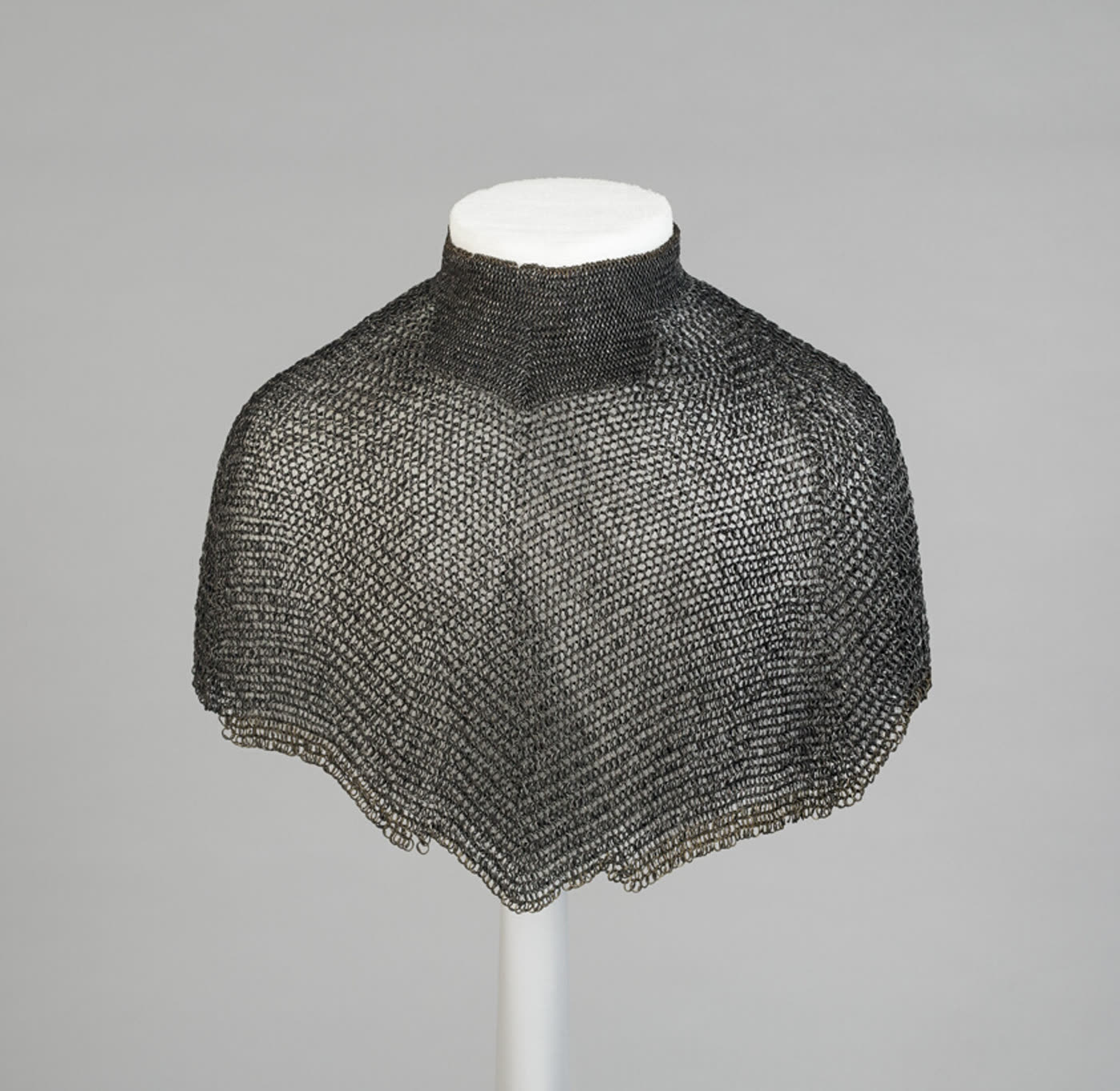
Which one first
Learn European 4-in-1 first. Every ring links four others, it is forgiving about ring size, and it makes sheets, straps and bracelets. Nearly every other weave borrows a move from it.
Move to Byzantine when you want a chain. It uses the same tools and the same rings but needs a tighter aspect ratio, so check your numbers first.
Try Japanese 6-in-1 when you want a dense, firm sheet. It asks for more room inside each ring, so it uses a higher aspect ratio.
The number that matters
Each weave works in a range of aspect ratio, the inside diameter divided by the wire diameter. Outside the range it jams or hangs loose. The aspect ratio calculator tells you in one step, and this guide explains why.
Side by side
| Weave | Links per ring | Typical aspect ratio | Difficulty | Best for |
|---|---|---|---|---|
| European 4-in-1 | 4 | 3.0 to 4.5 | Easiest | Sheets, straps, bracelets, armour |
| Byzantine | 4 (in pairs) | 3.2 to 4.0 | Moderate | Chains, necklaces, bracelets |
| Japanese 6-in-1 | 6 | 4.0 and up | Moderate to hard | Dense sleeves, cuffs, collars |