All guides
Weaves, rings and wire, tools and metals, projects and everyday chainmail.
Weaves
3 guides Byzantine: a thick, flexible chain from simple rings
How the Byzantine weave is built from rings and pairs, what aspect ratio it needs, why it makes such good bracelets and necklaces, and where beginners go wrong.
 European 4-in-1: the weave you learn first
How the European 4-in-1 weave is built, which ring sizes and aspect ratios work, why it is the standard starter weave, and the mistakes that make a first sheet pucker.
- Japanese 6-in-1: a tight, hexagonal mail
An explanation of the Japanese 6-in-1 style of mail, where each ring links six others, how it differs from 4-in-1, what ring sizes it needs and when it is the right choice.
Rings and wire
5 guides 16 gauge rings: SWG and AWG are not the same wire
Why 16 gauge means different wire in SWG and AWG, how much thicker SWG is, what that does to aspect ratio, and how to check which one a ring listing means.
- Butted, riveted and welded rings: what the closure really changes
How butted, riveted, welded and solid rings differ, what the closure does to strength and appearance, and which to choose for costume, decoration or serious reproduction armour.
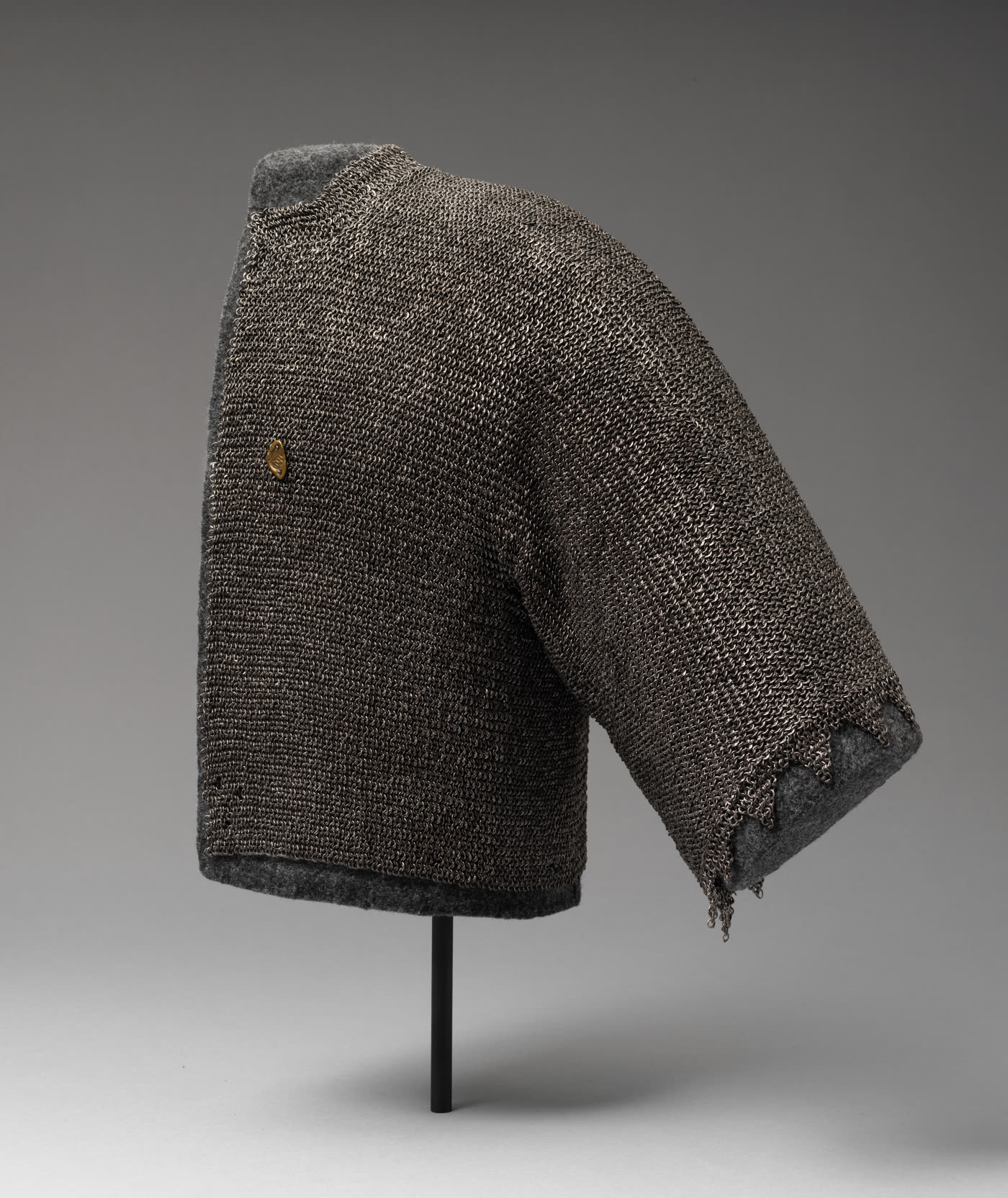 Aspect ratio: the one number that decides whether a weave works
What aspect ratio means in chainmail, how to calculate it from wire gauge and inside diameter, typical ranges for common weaves, and how to fix a weave that jams or gapes.
 Wire gauge chart for chainmail, with the sizes people actually use
A reference chart of wire gauge in SWG and AWG with millimetre and inch diameters and what each size is typically used for in chainmail, from fine jewellery to armour.
- How to make your own chainmail rings
A practical method for making chainmail rings from wire, covering mandrel choice, coiling, cutting, springback and how to check that your rings match.
Tools and metals
3 guides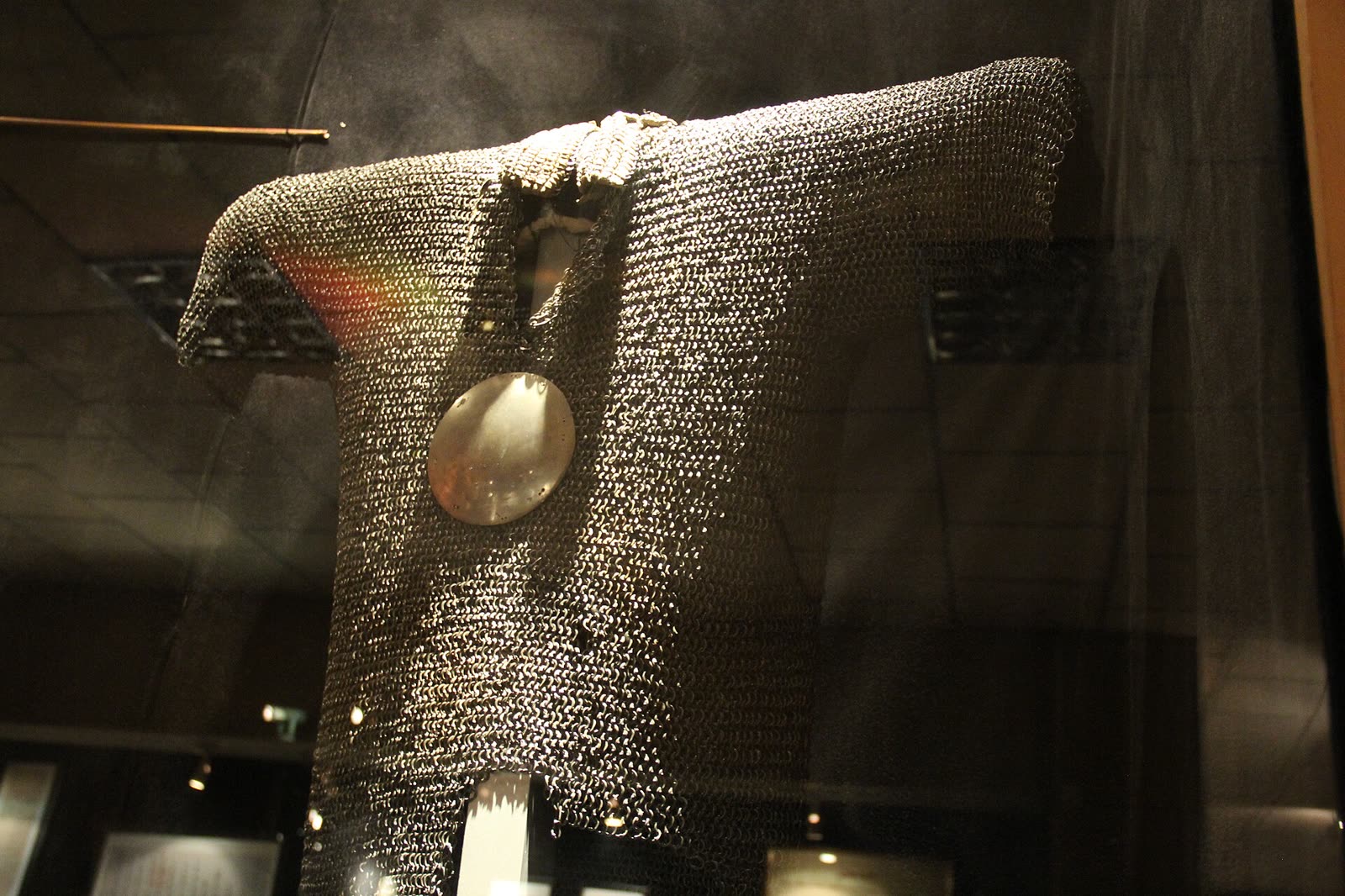 Aluminum, steel, stainless, copper and more: choosing a metal
A comparison of the metals used for chainmail rings, covering weight, strength, finish, corrosion and cost, with advice on which suits jewellery, costume, armour and kitchen use.
- Chainmail tools: what to buy, what to skip
The tools you need to make chainmail, from two pairs of flat nose pliers to flush cutters, mandrels and calipers, with what to look for in each and what is not worth buying.
- How to open and close rings without ruining them
The twist method for opening and closing chainmail rings, why pulling the ends apart weakens them, how to get a seamless closure and how to fix rings that will not stay shut.
Projects
4 guides- Aluminum or polycarbonate scales: which to build with
A practical comparison of aluminum and polycarbonate scales for scale mail, covering weight, finish, sound, durability and cost, with a checklist for testing before you commit.
- A first chainmail project: a European 4-in-1 bracelet
A step-by-step plan for a beginner chainmail bracelet in European 4-in-1, with ring sizes, how many rings to buy, assembly order and how to attach a clasp.
- How many rings are in a chainmail shirt, and how heavy is it?
A realistic guide to ring counts, weight and build time for a chainmail shirt, with a swatch method to work out your own numbers for any ring size and metal.
- Scale mail dice bag: three ways to build one
How scale mail dice bags are built, the three common constructions, how many scales and rings a 4 by 5 inch bag takes, and how to choose a scale size and finish.
Everyday chainmail
3 guides- Chainmail glove sizing, and what the glove does and does not protect
How to measure your hand for a stainless steel mesh glove, a size chart in inches, millimetres and EN 420 sizes, and what these gloves protect against and where they fall short.
- Chainmail scrubbers for cast iron: how to use one and what to buy
How a stainless chainmail scrubber cleans cast iron without stripping seasoning, how to use and dry it, how to choose one by material and ring size, and common mistakes.
- Chainmail starter kits: what to look for before you buy
What a good beginner chainmail kit contains, how to judge ring size, gauge and metal, what to avoid, and how to decide between a kit and buying rings and tools separately.