Starter kit buying guide
What a good beginner chainmail kit contains, how to judge ring size, gauge and metal, what to avoid, and how to decide between a kit and buying rings and tools separately.
Home / Guides / Everyday chainmail
This guide has affiliate links. If you buy through them we earn a commission at no cost to you. How this works.
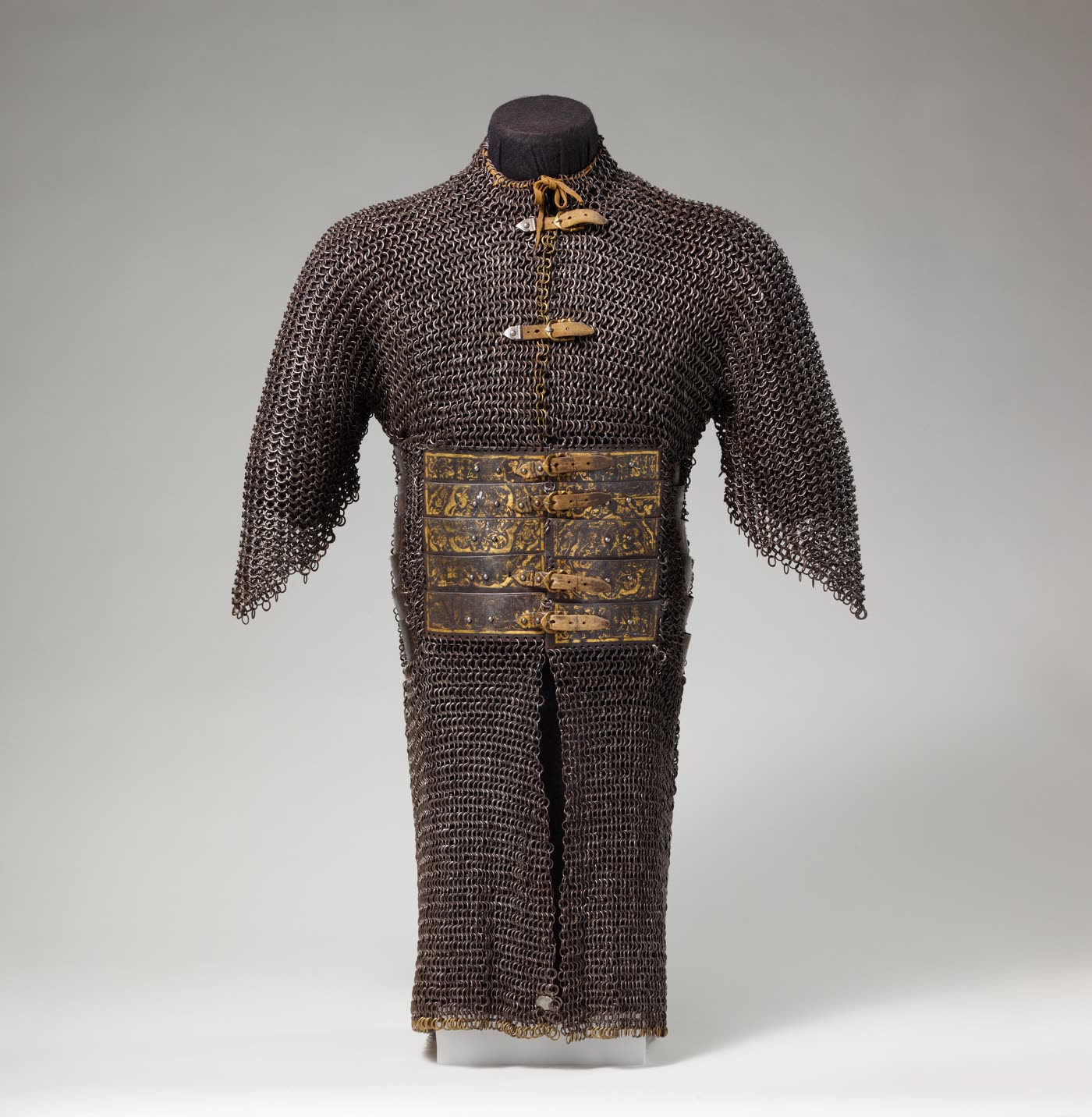
A kit saves you working out quantities, and the better ones teach as they go. A poor kit gives you mixed rings, flimsy pliers and instructions you cannot follow. Here is how to tell them apart without naming a product, because the market changes faster than a guide can.
What a good beginner kit includes
Rings in one size, labelled. The listing should state the wire gauge and inside diameter, with the gauge system (SWG or AWG) named. Ideal sizes for a first project are 16 SWG at 1/4 inch or 18 SWG at 3/16 inch, which give an aspect ratio near 3.9. See aspect ratio explained and the SWG versus AWG guide.
Enough rings. A bracelet needs a couple of hundred. A kit with 300 to 500 gives you spares for mistakes.
Two pairs of pliers. If a kit comes with one, you will need to buy another. Smooth jaws matter, as explained in the tools guide.
Instructions you can follow. A printed or linked guide with photos of each step beats a one-page diagram. Check the listing for a sample.
A clasp. If the kit makes jewellery, a clasp should be included.
Red flags
- Rings of several sizes mixed together. Unless it is a deliberate assortment with a project for each size, it makes work harder.
- No gauge or ring size stated. You cannot judge fit.
- Rings that arrive open and uneven. A good kit has closed, round rings and open rings that are consistent.
- Tiny, serrated pliers. They scratch and slip.
- Large claims about armour. A beginner kit in aluminum will not make protective mail.
Metal and finish
Aluminum is the right choice for a first kit. It is soft, cheap and forgiving, and comes in anodised colours. Steel and stainless are harder to work and heavier. See metals compared. If you have a skin sensitivity, check the metal before you buy.
Kit or separate parts
Buying separately costs a little more of your time and gives you better control:
| Kit | Separate | |
|---|---|---|
| Cost | Often lower for a first project | Higher at first, lower over time |
| Quality of pliers | Often basic | You choose |
| Ring size choice | Fixed | Any |
| Instructions | Usually included | Free online or from this site |
| Waste | Rings of one project only | Buy exactly what you need |
If you want one project and no research, a kit is fine. If you plan to make more, buy two good pliers, a caliper and a bag of rings in the size you have chosen.
How to shop
Search by the specification, not the brand. Terms like chainmail starter kit with pliers and rings and anodized aluminum jump rings 16 gauge bring up current options. Read the questions and reviews for details that sellers leave out, such as real ring size. These links go to Amazon and earn a commission; see the affiliate disclosure.
Check on arrival
Measure a few rings with a caliper. Compare with the listed size. If it is off by more than a tenth of a millimetre or two, the weave may not work as the instructions say. Return it if it is far off.
Where to go next
After a kit, make the European 4-in-1 bracelet from rings of your choice, or try a Byzantine chain.
Questions
Is a 20 weave kit worth it?
Only if you will work through them. Most people use two or three weaves for years. A kit with three good weaves beats one with twenty poor ones.
How much should I spend?
A reasonable first kit costs about what a few lunches do. Spend more on pliers than on rings.
Are kits safe for children?
Rings and pliers are small and sharp ends can scratch. Adult supervision is sensible for young children.