Cast iron scrubbers
How a stainless chainmail scrubber cleans cast iron without stripping seasoning, how to use and dry it, how to choose one by material and ring size, and common mistakes.
Home / Guides / Everyday chainmail
This guide has affiliate links. If you buy through them we earn a commission at no cost to you. How this works.
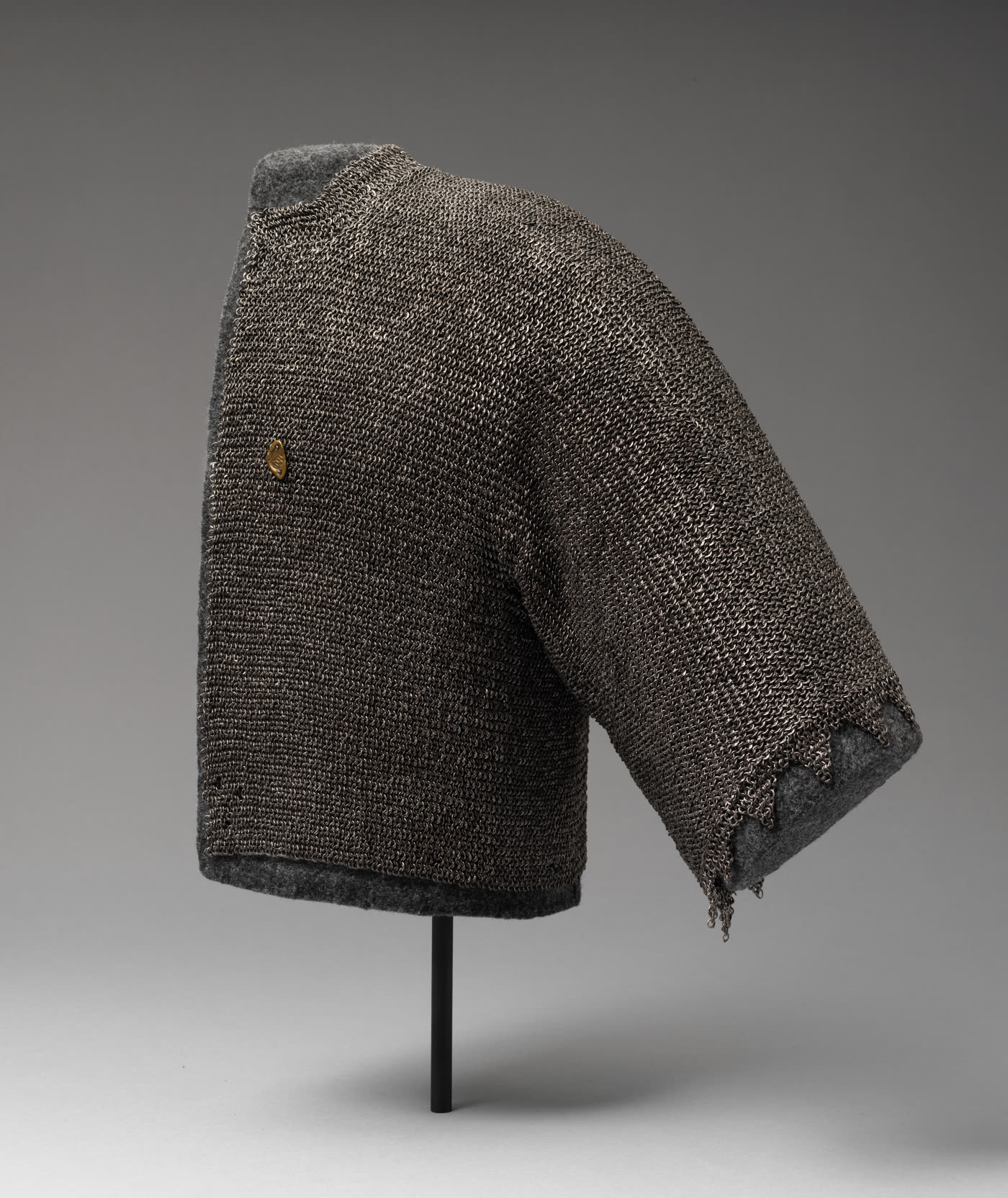
A chainmail scrubber is a small sheet of stainless steel rings. It cleans stuck food off cast iron pans without sandpaper, steel wool or harsh soap. It is one of the few places where chainmail has a real everyday use, and it is cheap, so it is a good first piece of mail to own.
How it works
The rings move independently, so the scrubber conforms to the shape of the pan and presses each ring against the surface. The edges of the rings lift cooked-on food and the gaps let debris wash out. Because stainless is harder than food and softer than well-bonded seasoning, it removes residue and leaves a properly seasoned surface largely intact when used with care.
Lodge, a major cast iron maker, lists a chainmail scrubber among the tools it suggests for stubborn residue, alongside warm soapy water and a stiff brush. The advice is to wash, dry thoroughly and apply a thin coat of oil afterward.
How to use it
- Clean while the pan is warm, not hot. Let it cool enough to handle safely. Food comes off most easily when the pan is still warm.
- Add hot water. A little water in the pan loosens residue. For stuck-on bits, let it sit a few minutes.
- Scrub in circles. Use light to moderate pressure. The scrubber does the work. Pressing hard does not clean better and wears seasoning.
- Rinse and check. If food remains, scrub again.
- Dry completely. Wipe with a towel, then heat the pan on a burner for a minute to drive off moisture. Water left on cast iron causes rust.
- Oil lightly. Rub a thin layer of cooking oil over the cooking surface and wipe off the excess so it does not go sticky.
Use it on cast iron, carbon steel and similar rugged cookware. Do not use it on non-stick coatings, enamel or glass, which it will scratch.
What to look for
Material. Choose 316L or 304 stainless. 316L is a common specification for scrubbers because of its corrosion resistance. See metals compared.
Closed or welded rings. A scrubber whose rings are welded or tightly closed lasts longer than one with butted rings that can open. Read butted versus riveted for why.
Size. About 6 by 8 inches covers most pans. Smaller ones suit skillets. Larger ones are clumsy.
Silicone backing. Some scrubbers have a silicone insert on one side for grip. It is a convenience, not a necessity.
Ring size. Larger rings scrub more aggressively and clear debris well. Smaller rings are gentler and give a smoother finish.
You can compare stainless chainmail scrubbers for cast iron on Amazon. Links earn a commission; see the affiliate disclosure.
Care of the scrubber
Rinse after use and shake out food. Let it dry completely. Most stainless scrubbers can go in the dishwasher, though you should follow the maker's instructions. Do not leave it wet in the pan, because the pan will rust. A scrubber that smells or looks dirty can be boiled briefly or scrubbed with a brush and soap.
Mistakes
- Scrubbing too hard. You can wear through seasoning. Use less pressure.
- Skipping the oil. A bare pan rusts.
- Using it on a non-stick pan. It will scratch.
- Soaking a pan. Soaking cast iron leads to rust. Scrub quickly and dry.
Questions
Will a chainmail scrubber remove seasoning?
Used lightly it removes food residue and leaves bonded seasoning. Hard scrubbing can wear it, and you can re-season.
Can I use soap?
Yes. Modern dish soap is fine on seasoned cast iron if you dry and oil afterward.
Is a chainmail scrubber better than steel wool?
It lasts much longer and does not shed fibres. Steel wool is more abrasive.